
A single tooth can influence how a smile feels. Even a small chip or a light patch of discolouration can shift how someone recognises their reflection. When a person wants a steady, long-term fix, two treatments tend to guide the conversation. Dental veneers and dental crowns both enhance the way a tooth looks, yet they serve different purposes and behave in their own way once placed.
At the Clinic Skin111, we often see patients weighing these options when they want results that feel natural and long-lasting. With guidance from our highly experienced doctors, who bring over 40 years of combined clinical experience, we help patients understand how each option supports the tooth and shapes the smile line. The details also show how these treatments hold up during chewing, brushing, and everyday movement. With a clear explanation, the decision feels calmer and the path toward a steady, confident smile becomes easier to follow.
What Are Dental Veneers?
Dental veneers are thin shells crafted from porcelain or composite resin. They rest on the front surface of the tooth, creating a smooth line that blends with the rest of the smile. Each veneer is shaped for the patient, giving the dentist a careful way to refine colour, close small gaps, or correct uneven outlines. Porcelain veneers are popular because they reflect light like natural enamel and hold their finish with routine oral care. When shaped well, a veneer settles into place neatly and elevates the look of the tooth without changing its full structure.
What Are Dental Crowns?
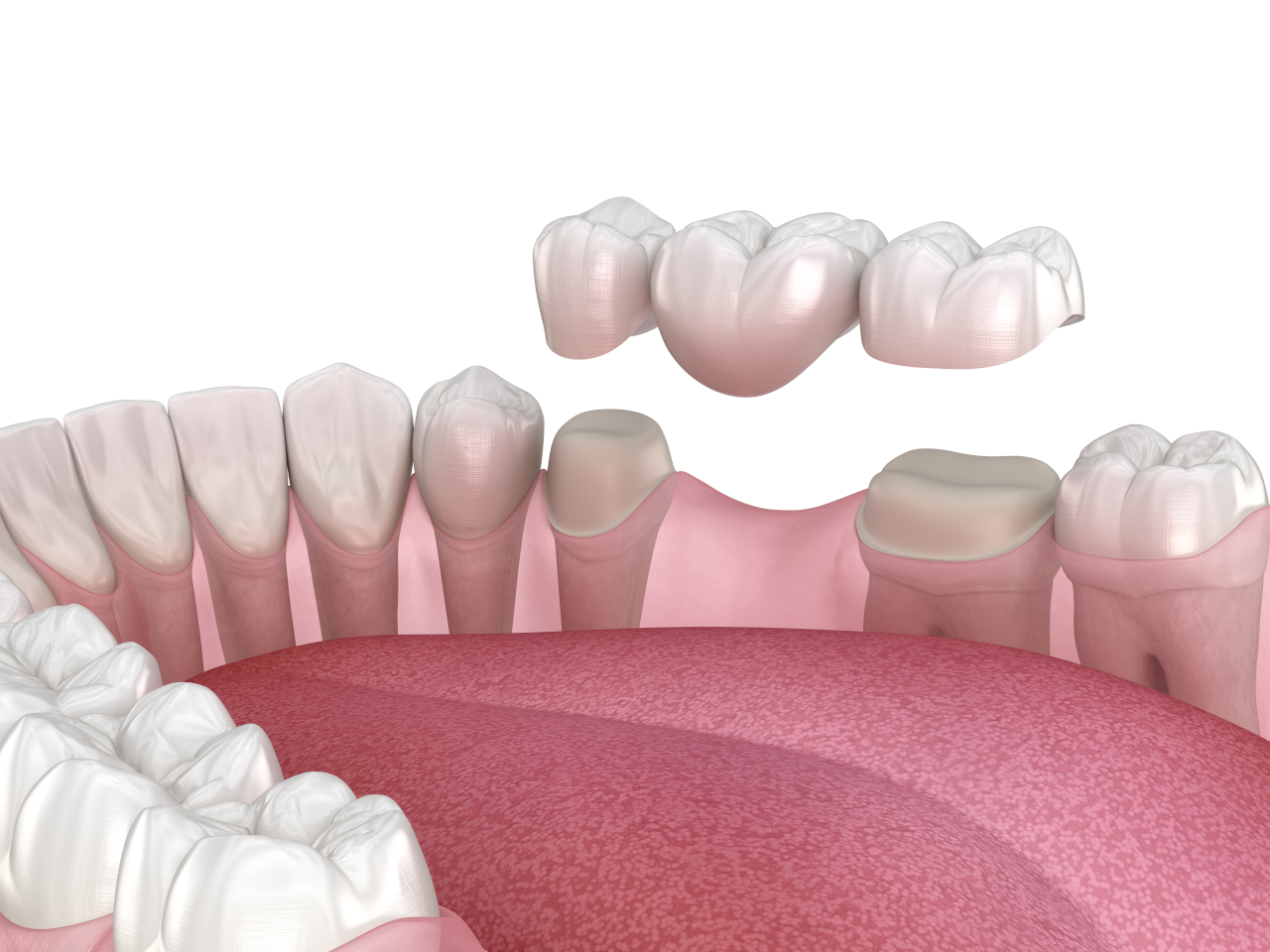
A dental crown is chosen when a tooth has weakened from decay, injury, or earlier treatment. The crown covers the entire tooth and gives it a new outer surface that can handle chewing with far less strain. Dentists select porcelain, metal blends, or a combination of both, depending on where the tooth sits and how the bite behaves. Once placed, the crown surrounds the tooth like a complete covering. This lets the tooth work comfortably and preserves the smile line.
Veneers and Crowns: Key Differences
Many people assume veneers and crowns feel similar because both can improve a smile. Their behaviour changes once they are in place, and that is where the real difference appears. How much of the tooth they cover, how they distribute pressure, and how they support the bite can guide the final choice.
Shape
A veneer covers the front surface of the tooth. It adjusts what the eye sees without touching the rest of the structure. A crown replaces the entire outer shape. It surrounds the tooth from all sides and creates a full protective layer.
Purpose
Dentists choose veneers when the tooth is healthy but its appearance creates concern. A shift in shade, a chipped corner, or a slight tilt can settle into place under a thin front covering. A crown works differently. It supports teeth that have lost structure, react to pressure during chewing, or no longer hold their shape. The crown becomes the tooth’s new outer layer and protects what remains.
Duration and Appointments
Veneer treatment usually feels straightforward. The dentist shapes the front of the tooth, captures an impression, and places the veneer once the laboratory work is finished. Crowns require more time because the full tooth must be reshaped and checked from every angle to ensure the final covering sits without pressure.
Enamel Removal
Veneers require light enamel shaping so the shell can sit naturally and avoid extra thickness. Crowns need more enamel removed because the entire tooth must make space for a stable outer covering.
Procedure Comparison: Veneers and Crowns
The steps for both treatments may look similar but unfold quite differently. These points outline the process and how each stage affects the tooth.
Consultation
At the Clinic Skin111, our experienced dentists examine the tooth, study the bite pattern, and listen to the changes the patient wants. X-rays or impressions may be taken for a closer view. By the end of the visit, the dentist knows which restoration will support the tooth safely.
Preparing the Tooth
Veneers need shaping on the front surface only. Crowns require reshaping around the entire tooth so the covering can sit securely.
Temporary Phase
A temporary piece may be placed after shaping. This protects the tooth and makes daily eating and speaking comfortable.
Lab Fabrication
The laboratory designs the veneer or crown to match the planned colour, shape, and bite. Precision during this stage influences how natural the final restoration feels.
Final Placement
A veneer bonds to the front of the tooth. A crown covers the whole structure. Once placed, the contrast in coverage, support, and function becomes clear.
When to Choose Veneers or Crowns
Some teeth require strong structural support, while others respond well to cosmetic refinement. These factors guide the treatment choice.
Crowns are usually recommended when
- The tooth has cracked or contains large previous fillings.
- Chewing triggers sensitivity or discomfort.
- Grinding has worn down the structure.
Veneers are usually recommended when
- The goal is a cosmetic improvement.
- The tooth is healthy but stained, chipped, or slightly out of line.
- A shorter and less involved treatment is preferred.
At the Clinic Skin111, our dentist studies enamel strength, bite behaviour, and predicted comfort before deciding which option supports the tooth best.
Conclusion: How to Decide Between Veneers and Crowns
Veneers and crowns both change the way a smile presents itself, but the reasons behind choosing one over the other are not the same. Veneers work best when the underlying tooth is still sound. They smooth the surface, correct small shape concerns, and adjust colour in a way that preserves most of the natural enamel. Crowns step in when a tooth needs more support. They replace the full outer layer so the tooth can manage everyday pressure again. Once you understand how much of the tooth each option covers, and how the preparation differs, your decision becomes more grounded and far easier to evaluate.
If you are considering veneers, crowns, or a combination that suits your bite and long-term comfort, the expert team at The Clinic SKIN111 can study your teeth closely and guide you toward a plan that feels secure, natural, and built for the way you use your smile.
FAQs
Can veneers or crowns stain over time?
Porcelain keeps its colour well. The nearby enamel can still take on a tint from coffee or dark foods. Routine cleanings help the smile look even.
Will my bite feel different after placement?
Some people sense a small shift at first. It feels as if the tooth sits a little higher. The dentist can adjust light points until the bite settles comfortably.
Do veneers or crowns need special cleaning tools?
Soft brushing and careful flossing work for most patients. If the gum line feels tender or traps food, the dentist may suggest a small brush for added support.
How long should I wait before eating after treatment?
Once bonding sets, you can eat normally. Softer textures feel easier on the first day. Hard foods can wait until the mouth feels steady again.
Can veneers and crowns be used in the same plan?
They can work together well. Veneers refine the visible surfaces, while crowns support teeth that need strength. The dentist arranges the sequence so the smile looks balanced and works smoothly.