
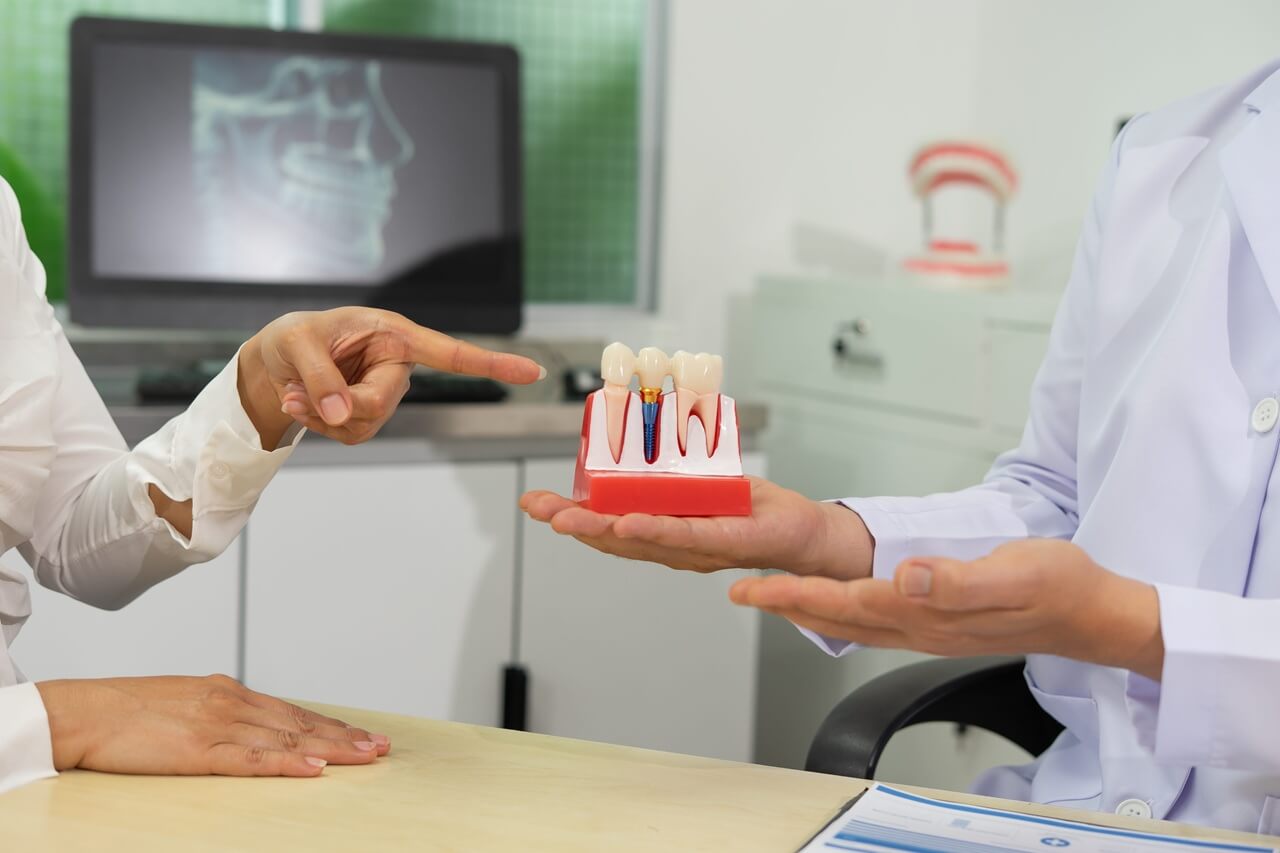
A dental implant replaces a missing tooth with a structure that feels steady and close to natural function. It does this by acting as a firm base inside the jaw and carrying a crown shaped to match the surrounding teeth. When done properly, an implant supports day-to-day comfort and helps restore how the mouth works as a whole.
At The Clinic SKIN111, the process begins with a detailed clinical assessment that focuses on bone quality, gum health, and long-term suitability. The journey is planned carefully, and each stage has a clear purpose. This blog explains the step-by-step dental implant procedure, so you understand how the treatment moves from assessment to the final crown.
Understanding Dental Implants and When They Are Considered
A dental implant is made of three components. The implant, usually crafted from medical-grade titanium, sits within the jaw and behaves like a stable root. The abutment is placed later and serves as the connection point. The crown completes everything above the gum and blends with the natural smile. Implants are considered when a tooth cannot carry out its function and a long-term replacement is needed. The goal is simple: restore support, balance, and ease in daily use.
Step 1: Consultation and Initial Assessment
The first visit forms the foundation of the plan. The dentist studies the teeth, gums, and space available for the implant. They look at how the bite works and review medical history. At The Clinic SKIN111, this assessment also includes checking bone density and ensuring the
surrounding tissues can support long-term healing. This part helps the dentist understand how to shape the treatment and gives you a clear picture of what the full pathway will involve. It is also where questions are discussed, goals are clarified, and the expected timeline is outlined in straightforward terms.
Step 2: Dental Imaging and Treatment Planning
Imaging gives the dentist a detailed view of the jaw. X-rays and scans show the bone shape, the depth available, and how the implant should be positioned. These images help ensure that the implant will sit in a stable area and that the final crown aligns comfortably with the bite.
At The Clinic SKIN111, digital imaging supports precise angling and placement, so the implant integrates in a way that matches natural function. The dentist then maps out the stages ahead, pacing them according to how the mouth will heal at each point. This planning keeps the dental implant procedure structured and predictable.
Preparatory Procedures When Needed
Before the implant is placed, the mouth may need preparation so that the foundation is strong. These steps vary depending on the condition of the tooth and bone.
Tooth Extraction
If the damaged tooth is still present, it is removed. The dentist checks the area carefully and allows it to settle if needed. This creates a clean, ready site for the implant.
Bone Grafting
Sometimes the bone needs added volume. A graft strengthens the area so the implant has reliable support. This is done with precision and left to heal so it integrates naturally with the surrounding bone.
Healing Periods
The timing between these steps is set according to how the mouth responds. Each phase is allowed enough time to stabilise so the next stage can be carried out without strain.
Step 3: Implant Surgery Explained
Implant placement is carried out with measured steps so the result is secure.
Anaesthesia and Site Preparation
The area is numbed, and the gum is opened to reach the bone. This is done gently to keep the tissues undisturbed beyond what is necessary.
Creating the Implant Channel
A small channel is shaped in the bone to hold the implant. This channel guides the implant’s position so the final crown sits comfortably within the bite.
Securing the Implant and Using a Healing Cap
The implant is placed into the prepared space. A healing cap may be added to protect the top of the implant while the gum begins to settle. At The Clinic SKIN111, accuracy checks during placement help ensure the implant sits at the angle planned during imaging. Once this is done, most of the work shifts from the dental chair to the body’s quiet healing processes.
Step 4: Healing and Osseointegration
This stage allows the implant to bond with the bone. Osseointegration creates the strength that supports long-term function. The gum adjusts gradually while the bone forms a stable connection around the implant. Daily life continues as normal with a few simple adjustments to keep the area clean. Healing times vary depending on bone health, and follow-up visits let the dentist monitor how the process is progressing and confirm when the mouth is ready for the next stage.
Step 5: Placing the Abutment and Crown
When the implant is fully settled, the visible part of the restoration is prepared.
Exposing the Implant and Fitting the Abutment
The gum is opened to reach the implant. The abutment is attached securely so the crown can be placed later with the right height and fit.
Scanning or Impressions for the Crown
Digital scans or impressions show the exact shape of the teeth around the implant. These guides help craft a crown that looks balanced and feels natural when speaking or chewing. At The Clinic SKIN111, laboratory partners follow accuracy protocols so the final crown aligns with both colour and function.
Final Crown Placement and Bite Adjustment
The crown is fixed to the abutment and checked within the bite. The dentist makes small adjustments so the new tooth sits comfortably and functions smoothly. At this point, the implant feels stable and complete.
Recovery and Long-Term Maintenance
After each stage, the mouth benefits from simple care and steady habits.
Immediate Post-Surgery Care
Keeping the area clean and avoiding pressure helps the tissues settle. Dentists give clear, practical instructions suited to the stage of healing.
Oral Hygiene and Daily Habits
Regular brushing and careful cleaning around the implant maintain gum health and protect the crown. These habits support comfort and stability over time.
Follow-Up Appointments and Monitoring
Routine checks allow the dentist to review how the implant and crown are performing. These visits help ensure long-term balance. Some individuals choose to complement their general wellness routines through services at The Clinic SKIN111, especially when supporting broader lifestyle goals alongside dental treatment.
When Dental Implants May Not Be Suitable
A dentist decides on implants after looking at how the gums, bone, and bite work together. Some mouths hold an implant well; others need a different approach to stay comfortable in the long term. Reduced bone density, uncontrolled gum conditions, or certain medical concerns may change the treatment path. The consultation helps clarify this. It gives the dentist enough detail to guide you toward the option that matches the way your mouth behaves day to day. If another route is a better fit, it is explained in straightforward terms, so you know what will serve you best.
Conclusion
A dental implant moves through clear stages, each one preparing the way for the next. The first visit shapes the plan. Imaging confirms where the implant should sit. Healing strengthens the foundation so the abutment and crown can be added with confidence. When the final tooth is in place, it becomes part of your routine without drawing attention to itself.
If you want support that considers your wider wellness and day-to-day needs, the clinical team at The Clinic SKIN111 can walk you through the treatment and help you understand how each step fits into your overall care.
FAQs
How long does a dental implant feel unfamiliar before it settles?
Most people adjust within a short period once the crown is placed. The implant feels steady early on, and the bite becomes more natural as the surrounding teeth and muscles adapt.
Can I chew normally with an implant once treatment is complete?
Yes. After healing and crown placement, the implant supports normal chewing. It works independently, so daily eating routines usually feel stable without needing special adjustments.
Does an implant affect nearby teeth over time?
A well-placed implant sits securely in the bone and does not rely on neighbouring teeth for support. It preserves spacing and helps maintain a balanced bite as the mouth continues to function.
What happens if the crown needs to be updated in the future?
The crown can be replaced without disturbing the implant beneath it. Dentists assess the fit, shape, and shade, then provide a new crown that aligns with the existing bite.
How do I know if my mouth is ready for an implant?
A dentist evaluates gum health, bone support, and how the bite functions. This assessment shows whether the mouth can hold the implant comfortably or if preparation is needed before placement.