
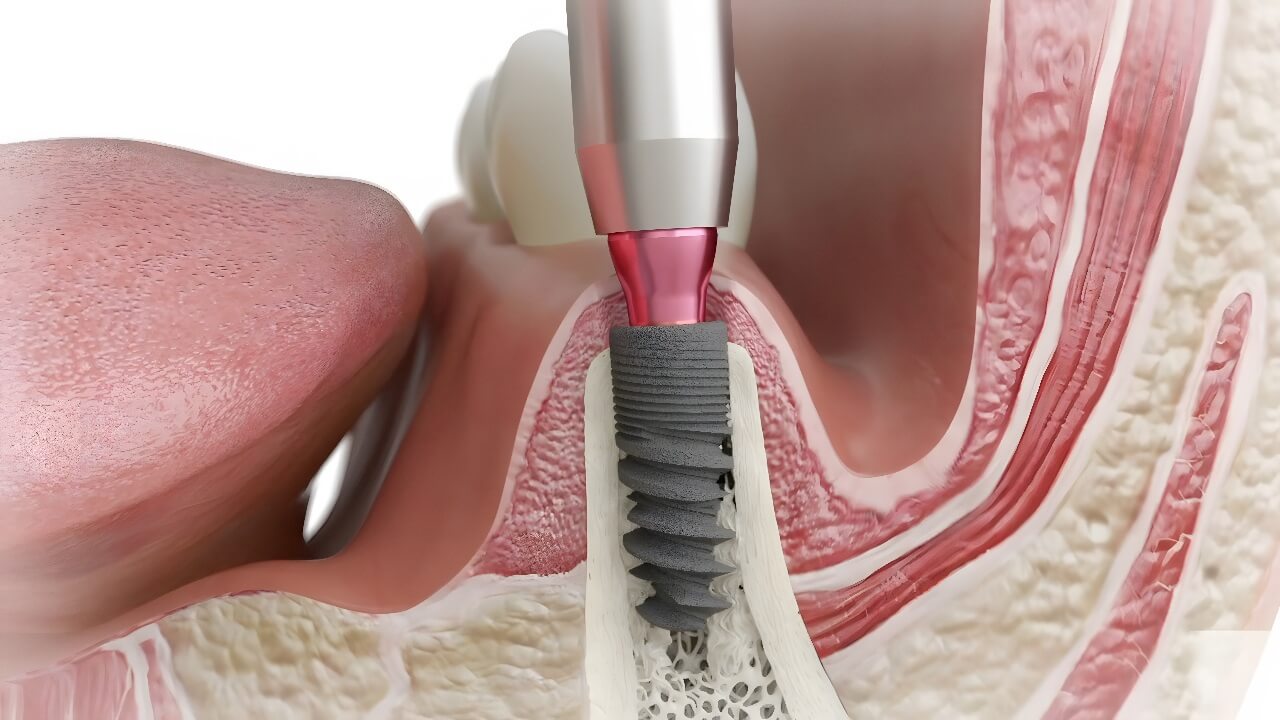
Dental bone grafting is sometimes required before placing a dental implant. It helps rebuild areas of the jaw where bone has reduced, allowing the implant to sit securely and function properly over time.
Understanding when bone grafting is needed, how it heals, and what to expect can make implant treatment feel more predictable and easier to plan.
What Is a Dental Bone Graft?
A dental bone graft is a procedure used to restore bone volume in the jaw. Bone graft material is placed in the affected area to support new bone growth. Over time, the graft integrates with the natural bone and strengthens the jaw structure.
This added support is essential when the existing bone is not strong enough to hold a dental implant securely.
Why Is Bone Grafting Needed for Dental Implants?
When a tooth is missing for a long period, the surrounding jawbone begins to shrink. This loss of bone can make implant placement difficult or unstable.
A bone graft may be recommended if bone loss has occurred due to:
- Long-term tooth loss or extractions
- Gum disease or previous infection
- Jaw injury or trauma
- Natural bone thinning related to age or genetics
Rebuilding the bone improves implant stability and increases the chance of long-term success.
Common Types of Dental Bone Grafts
Socket preservation
Performed at the time of tooth extraction to reduce bone shrinkage and preserve the natural shape of the jaw for future implant placement.
Ridge bone grafting
Used when the jawbone has lost height or width over time. This helps rebuild the area to support an implant safely.
Block bone grafting
Recommended for more significant bone loss. A solid piece of bone is placed to restore structure and strength before implant treatment.
Large-volume bone grafting
Used in complex cases involving severe bone loss due to injury or medical conditions, requiring reconstruction of larger jaw areas.
The Bone Grafting Procedure
The procedure generally follows a structured process:
- Local anesthesia is administered
- The gum tissue is opened through a flap to access the jawbone
- The area is cleaned and prepared
- Bone graft material is placed
- A protective membrane may be applied
- The site is closed with sutures to begin healing
Healing and Recovery After Bone Grafting
Healing time depends on the size and type of graft. Most patients can expect:
- Mild swelling or discomfort for one to two weeks
- Gradual bone integration over several months
- Follow-up visits are required to monitor healing progress
Following post-procedure instructions helps ensure steady recovery and proper bone development.
Risks and Considerations
Bone grafting is generally safe, though potential risks include:
- Infection
- Temporary nerve irritation
- Bleeding or swelling
- Rare graft failure
These risks are discussed during treatment planning, and appropriate precautions are taken to minimize the complications.
Cost of Bone Grafting and Dental Implants in Dubai
Costs vary depending on the extent of grafting and overall treatment complexity.
As a general reference:
- Single dental implants in Dubai typically range from AED 3,500 to AED 10,000
- Full-arch treatments such as All-on-4 may range between AED 30,000 and AED 60,000 per jaw
A personalized assessment is required to determine exact costs.
How Bone Grafting Supports Implant Success
Reinforcing the jawbone improves implant stability and performance. Strong bone support helps:
- Maintain natural facial structure
- Improve chewing function
- Provide a secure, comfortable implant result
- Reduce the risk of implant failure
This added support reduces the likelihood of long-term implant complications.
Conclusion
Bone grafting plays an important role in preparing the jaw for dental implants when bone loss is present. With proper planning and healing, grafting allows implants to be placed with greater confidence and predictability.
At the Clinic SKIN111, patients undergo comprehensive assessments using advanced imaging to determine whether bone grafting is required and how it fits into their treatment plan. A consultation with the dental team helps clarify treatment options and next steps.
FAQs
Is dental bone grafting painful?
The procedure is performed under local anesthesia, so discomfort is minimal. Mild soreness afterward is common and usually managed with prescribed medication.
How do I know if I need a bone graft?
Your dentist will assess bone volume using CBCT scan to determine whether grafting is needed before implant placement.
How long after a bone graft can an implant be placed?
Implants are typically placed after three to six months, once the graft has integrated with the natural bone.
Can a bone graft fail?
Failure is uncommon but possible. Smoking, infection, and uncontrolled medical conditions can affect healing, which is why regular follow-up is important, and post treatment instructions should be followed.