
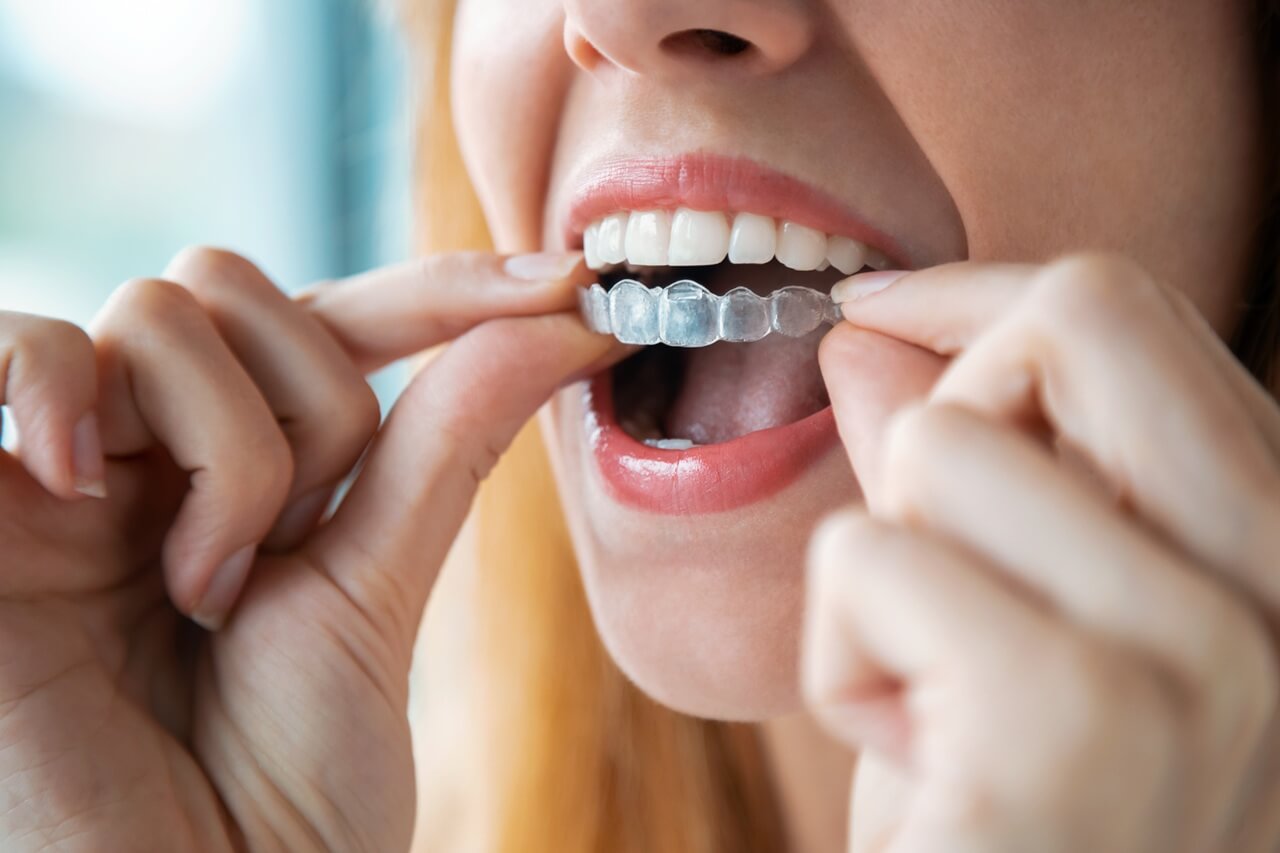
Clear aligners rely on close contact with the teeth. Their shape, transparency, and surface condition influence how they function from one stage to the next. Cleaning is part of maintaining this environment. When residue settles on the trays, the plastic becomes dull, and the fit may feel different. A steady approach to cleaning keeps the trays clear and preserves the contact they need to guide each stage of the treatment plan.
At The Clinic SKIN111, patients are guided through cleaning habits that protect the aligner surface without altering its shape. The aim is not to add complexity but to create a routine that protects the trays and keeps them ready for daily wear.
Why Cleaning Invisalign Aligners Matters
Aligners sit against the teeth for most of the day. Saliva settles on the inside and outside of the trays. If left in place, this film becomes more difficult to remove and forms a layer that changes how the plastic looks. The clarity reduces, and the trays may begin to appear cloudy. Cleaning prevents this layer from hardening. It also reduces the presence of small particles that collect throughout the day when trays are removed for meals or drinks.
Another reason for routine cleaning is the stability of the tray edges. When residue gathers along the margins, the trays may not feel as smooth. This can influence how they sit along the gum line. Keeping the surface clean avoids any unnecessary change in texture and maintains the feel of the tray from morning to evening.
Clear trays are part of the Invisalign experience. Their transparency depends on how they are maintained. When they remain clear, they are less noticeable and easier to assess during check-ups. Cleaning provides that continuity.
Step-by-Step Guide: How to Clean Invisalign Aligners
The cleaning process centres on a controlled sequence carried out each time the trays are removed or replaced. The steps below focus on actions that preserve the structure and clarity of the material.
Rinse After Removal
When the trays are taken out, rinse them with lukewarm water. This breaks the surface film before it settles. Rinsing also removes loose particles transferred during meals or snacks before they have time to attach to the plastic.
Brush with a Soft Toothbrush
A soft toothbrush is used to clean the inner and outer surfaces. The brushing is light and guided rather than forceful. Hard bristles or pressure can leave marks on the trays. Using a separate brush for this purpose avoids cross-contamination with toothpaste or abrasive residue.
Use Lukewarm Water
Temperature has a direct effect on the material. Invisalign trays are shaped with precision, and heat can distort the structure. Lukewarm water is used consistently for rinsing and brushing because it cleans without affecting the alignment or curve of the trays.
Clean Before Reinserting
Before returning the trays to the mouth, clean them again. This removes any residue picked up while they were out of the mouth and keeps the surface consistent between wear periods. Reinserting the trays in a clean state maintains the intended feel and prevents new build-up from accumulating underneath.
Best Practices for Daily Invisalign Cleaning
These daily practices work alongside the core steps and create a predictable rhythm for maintaining the trays.
Consistent Timing
Daily cleaning is more effective when carried out at stable points. A morning clean removes overnight residue. An evening clean prepares the trays for longer wear. Rinsing during the day manages light build-up. Consistency keeps the trays in a steady condition without sudden changes in appearance or texture.
Clean the Aligner Case
The case is part of the cleaning routine. When trays are placed into an unclean case, residue transfers back onto the plastic. Washing the case with mild soap and water prevents this. Allowing it to dry before the trays return also reduces moisture build-up.
Refreshing During the Day
A short rinse during the day maintains the clarity of the trays. This is less about deep cleaning and more about removing early residue that forms between meals. It keeps the trays comfortable and avoids the need for additional products.
Weekly Deep Cleaning and Stain Removal
Weekly care addresses residues that brushing cannot lift. These methods restore clarity and maintain the condition of the plastic.
Cleaning Tablets
Cleaning tablets are used by placing the trays in a small amount of water and allowing the tablet to dissolve. These solutions break down surface layers that form over several days. They are formulated to clean without altering the shape or feel of the trays.
Soaking Solutions
Some soaking solutions are designed for orthodontic appliances. They target cloudiness and fine deposits. These solutions provide a controlled method for maintaining transparency, especially during longer treatment phases.
Stains and Routine Adjustment
When stains appear repeatedly, the cleaning routine may benefit from alteration. More frequent rinsing or an additional weekly soak usually improves clarity. Stains also indicate that residue is forming between cleaning cycles, which can be corrected by adjusting the timing or method used.
What to Avoid When Cleaning Invisalign Aligners
Avoiding certain products and actions protects the trays and maintains their structure.
Hot Water
Hot water affects the plastic. It can cause the trays to change shape, even if the change is slight. Because aligners rely on precision, this risk is avoided entirely. Lukewarm water offers predictable, safe cleaning.
Abrasive Toothpaste or Brushes
Abrasive products scratch the surface. These scratches become more visible over time and can collect residue. Using a soft brush and avoiding abrasive toothpaste preserves smoothness and clarity.
Coloured or Scented Cleaners
Coloured soaps or strong cleaners can transfer their hue or taste to the trays. The trays remain neutral when cleaned with mild, clear products.
How Often to Clean Invisalign Aligners and Retainers
Cleaning frequency remains steady throughout the treatment and continues after it ends.
Daily Cleaning
Aligners are cleaned morning and evening and after each removal. This routine prevents build-up and preserves clarity.
Weekly Deep Clean
Weekly soaking supports the daily routine and restores transparency. It maintains the condition of the plastic and prepares the trays for the next sequence in treatment.
Retainer Care
Retainers follow the same pattern. They sit in the mouth for long hours, and regular cleaning preserves their shape and surface condition across long-term wear.
Professional Cleaning and When to Seek Support
Some cases need a clinician’s review rather than further home cleaning.
Persistent Build-Up
If the residue stays in place despite regular brushing and soaking, the trays should be examined. A clinician can check whether the surface has changed, whether deposits have formed, or if the next tray in the sequence should be used.
Ongoing Cloudiness
Cloudiness that remains after cleaning may point to mineral layers or early wear. A clinician can identify the cause and advise on the most appropriate next step.
Routine Review
During routine visits, the clinician assesses how each tray is sitting, how the material is holding up, and whether the cleaning pattern matches the demands of the current stage. At The Clinic SKIN111, these reviews also cover how well the aligner care routine aligns with the broader treatment plan.
Conclusion
Clear aligners rely on a stable surface and an unchanged shape. When they are cleaned in a consistent way, they maintain the clarity and fit needed for each stage. Rinsing, light brushing, and controlled soaking are enough to keep the material in a reliable condition. Avoiding heat and harsh products protects the trays from unwanted changes.
For guidance that reflects your own routine and treatment plan, the clinical team at The Clinic SKIN111 can review your aligner care and provide direction when needed.
FAQs
Can aligners look cloudy even when they are cleaned every day?
Yes. Cloudiness can form when saliva minerals settle on the plastic, even with regular brushing. This does not always reflect poor cleaning. A weekly soak or a brief review with a clinician usually clarifies whether the trays need a different approach.
Do aligners need extra cleaning if worn for longer daily hours?
Longer wear does not change the cleaning method, but it may increase how quickly residue settles. Most trays remain clear when they are cleaned in the morning, at night, and whenever they are taken out. If the trays look dull despite this, a weekly soak helps manage excess build-up.
What should I do if the aligners develop a smell between cleaning cycles?
Odour can occur when moisture stays on the trays or the case is not dry. Rinsing during the day and drying the case fully before use usually resolves this. If the odour persists, a clinician can assess for internal residue that brushing may not reach.
Can aligners lose clarity if worn immediately after eating?
Yes. Traces of food and drink can settle on the surface when the trays are replaced without a quick rinse of the mouth. This does not harm the treatment, but it can mark the plastic. Rinsing before reinserting reduces this effect.
How do I know if a replacement tray is needed because of surface wear?
Surface wear becomes noticeable when the trays no longer look smooth or when residue clings to small marks. If this occurs despite cleaning, a clinician can examine the tray and decide whether moving to the next stage is more suitable.