
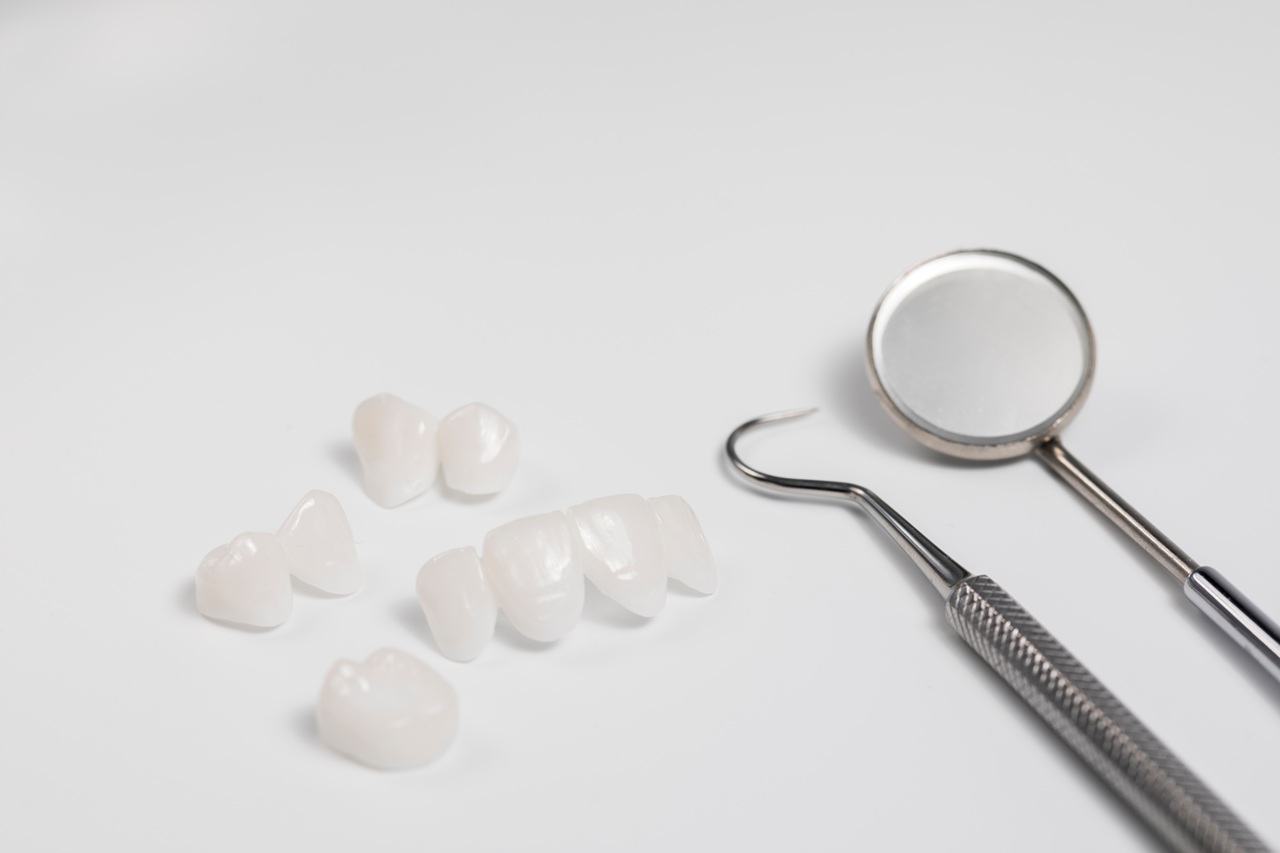
Dental veneers reshape the visible surface of a tooth by adding a thin, carefully selected layer of material. Choosing between porcelain and composite affects how the restoration looks, how it wears over time, and how it responds during daily use. Each material handles light and pressure differently, which influences the final result. This blog explains the key characteristics of both options to help patients understand their practical differences. At The Clinic SKIN111 in Dubai, this choice is guided by a focused assessment of enamel thickness, bite movement, and individual expectations, allowing the treatment plan to reflect both clinical needs and personal goals.
Types of Dental Veneers
The two principal categories of veneers are porcelain and composite. Porcelain veneers are created outside the mouth, while composite veneers are shaped directly on the tooth. Both can achieve a natural appearance when handled correctly, but the process, texture, and long-term behaviour differ in important ways. At The Clinic SKIN111, this choice is discussed during a clinical consultation where tooth structure, smile line, enamel thickness, and bite balance are assessed to determine which material will perform best over time.
Porcelain Veneers: Overview
Porcelain veneers are fabricated in a dental laboratory after a detailed impression or scan of the prepared tooth. A small amount of enamel is removed so the final restoration sits flush with the natural tooth surface. The porcelain is shaped and refined to reflect light in a controlled way. Once completed, the veneer is bonded to the tooth with an adhesive formulated for ceramic materials. During porcelain veneer planning at The Clinic SKIN111, clinicians rely on digital imaging, shade-matching systems, and smile analysis to ensure the restoration blends naturally with facial proportions.
Porcelain has a glass-like structure that remains stable when the surrounding tooth and bite remain healthy.
Advantages of Porcelain Veneers
Appearance and Surface Detail
Porcelain carries a clarity that resembles enamel when shaped correctly. The material allows the clinician to place small highlights and gentle transitions that help the restored tooth sit naturally among the others.
Behaviour During Function
Porcelain remains steady under normal chewing pressure and does not show noticeable change when exposed to temperature shifts during daily meals.
Resistance to Colour Change
Porcelain usually holds its colour for long periods. The surface structure takes on very little pigment, which reduces the need for repeated polishing or shade correction during routine reviews.
Expected Longevity
Porcelain can remain in service for extended periods when supported by healthy enamel and a balanced bite. Its edges stay well defined, which supports long-term stability.
Disadvantages of Porcelain Veneers
Permanent Alteration of Enamel
The tooth must be shaped to receive a porcelain veneer. This reduction cannot be reversed, and the tooth will rely on future restorations once the veneer reaches the end of its lifespan.
Multi-Step Treatment Process
Porcelain is produced outside the mouth and requires several stages. The tooth is shaped, an impression or scan is taken, and a temporary covering is placed. The final veneer is positioned at a later visit once laboratory work is complete.
Higher Treatment Cost
Porcelain carries a greater financial cost because of the detail involved in its fabrication and the time required to create a precise fit.
Limited Repair Possibilities
If significant damage occurs, porcelain cannot usually be repaired in place. A new veneer is generally required, particularly in cases involving higher bite forces.
Composite Veneers: Overview
Composite veneers are placed directly on the tooth by layering and shaping a resin material. The resin is cured with light to form a hardened surface. The dentist sculpts and refines the material during the appointment until the tooth reaches the desired contour and colour. At The Clinic SKIN111, composite veneer cases also involve careful shade selection and contour planning to help the restored tooth blend with the surrounding smile.
Composite veneers generally provide several years of service, although they may require reshaping or replacement earlier than porcelain due to the nature of the resin material.
Advantages of Composite Veneers
Conservative Tooth Preparation
Composite can usually be placed with only a small adjustment to the enamel. The clinician works with the natural shape of the tooth wherever possible.
Completion Within a Single Visit
The material is shaped directly on the tooth during the same appointment. The patient leaves the surgery with the final surface already in place.
Localised Repair if Changes Occur
Composite can be modified or built upon without removing the entire veneer. Localised corrections are possible when wear or surface changes appear.
Lower Upfront Cost
Composite involves fewer laboratory stages, which reduces overall cost for patients considering a phased approach.
Disadvantages of Composite Veneers
Surface Texture Changes With Time
Composite may become less smooth in areas that experience repeated contact during chewing, which can prompt refinishing during reviews.
More Prone to Everyday Staining
Composite absorbs pigments more readily than porcelain. Gradual shade changes may appear with daily habits.
Shorter Functional Lifespan
Composite does not typically remain unchanged for as long as porcelain, particularly in patients with heavier bite patterns.
Reduced Depth in Bright Light
Composite reflects light differently from natural enamel. In brighter conditions, the veneer may appear flatter, which is considered during shade selection.
Porcelain vs Composite Veneers: Side-by-Side Comparison
| Clinical Factor | Porcelain Veneers | Composite Veneers |
| Surface Detail and Appearance | Shows refined texture and controlled translucency that closely resembles enamel. The finish stays consistent in varied lighting. |
Can achieve a natural appearance, although the depth of the surface may appear more uniform in brighter conditions. |
| Shade Stability | Holds colour for long periods because the surface absorbs minimal pigment. | More likely to take on colour from tea, coffee, or smoking, and may require polishing to manage changes. |
| Tooth Preparation | Requires removal of enamel so the veneer sits correctly on the tooth. | Usually needs only limited shaping, leaving most of the enamel intact. |
| Timeline for Completion | Involves laboratory stages and placement across multiple visits. | Completed in a single appointment, with shaping carried out directly on the tooth. |
| Behaviour Under Stress | If damaged, porcelain generally requires full replacement. | Localised repair is possible without removing the entire veneer. |
| Financial Consideration | Higher treatment cost reflecting laboratory work and long term stability. | Lower initial cost with flexibility for future adjustments. |
Conclusion
Dental veneers provide a controlled way to refine the visible surfaces of teeth. Porcelain and composite offer different advantages that suit different clinical situations. Porcelain offers long-term stability with a refined appearance. Composite offers adaptability with minimal tooth alteration. The most suitable choice depends on the health of the underlying teeth, the patient’s expectations, and the projected lifespan of the restoration.
For personalised guidance that reflects your dental condition and long-term goals, the clinical team at The Clinic SKIN111 can offer an assessment and provide a treatment plan suited to your needs.
FAQs
Can existing fillings affect whether porcelain or composite veneers are suitable
Fillings on front teeth can change how a veneer attaches to the surface. The clinician checks whether the filling is strong enough to support a veneer or whether the surrounding enamel needs adjustment. This review helps decide which material will behave more predictably on that tooth.
Do veneers behave differently for patients who grind their teeth at night
Grinding places strain on small areas of the veneer surface. Some patients show chipping on porcelain, while others see gradual wear on composite. The pattern varies between cases. A night guard is usually considered once the clinician understands how the patient’s bite moves during grinding episodes.
Can veneers be used when the natural teeth have uneven surfaces or slight enamel defects
Veneers can cover these areas, but the decision depends on how deep the irregularity sits within the enamel. The clinician studies the tooth first to see whether a porcelain layer is needed for greater masking or whether a carefully shaped composite surface will achieve a stable result.
Are veneer shade choices limited by the natural colour of the underlying tooth
The underlying shade influences the final appearance, although the extent varies. Porcelain can control this more easily because of its structure, while composite may require additional shaping. The clinician evaluates how much of the underlying colour will show through and adjusts the plan accordingly.
How do veneers perform in patients with reduced saliva flow or dry mouth conditions
Reduced saliva changes how the mouth feels around restored teeth. Porcelain usually keeps its texture, while composite may show surface changes sooner. The clinician monitors the margins closely and recommends review intervals that reflect how dry the mouth becomes during daily function.